
Skylar Events

Event Services

We offer all kinds of party events such as weddings, kids party, birthdays, concerts and more.

JAYZER

Event Risk Management: Ensuring Safety and Compliance

Event Risk Management: Ensuring Safety and Compliance Every successful event should provide more than an enjoyable experience—it should also provide a safe and well-managed environment for everyone involved. From guests and performers to staff, suppliers, and venue teams, event organizers have a responsibility to identify potential risks and prepare appropriate safety measures. Whether you are organizing a corporate conference, festival, wedding, product launch, community celebration, or large public gathering, effective event risk management helps prevent problems before they happen. Risk management involves identifying possible hazards, assessing their impact, creating preventive measures, and preparing contingency plans. When these steps are handled professionally, event organizers can reduce disruptions while giving guests the confidence to enjoy the experience. At Skylar Events Management and Productions, safety and organization are important parts of delivering successful events. Here are the key elements of effective event risk management. 1. Start With a Comprehensive Risk Assessment The first step in event risk management is understanding what could potentially go wrong. Organizers should assess the venue, expected attendance, event activities, equipment, weather conditions, transportation, crowd movement, and other operational factors. Identifying potential risks early gives the event team time to develop appropriate solutions. You cannot effectively manage a risk until you have identified it. Skylar Events’ guide on How to Plan an Event in 15 Simple Steps also highlights the importance of conducting a risk assessment and preparing a health and safety plan. 2. Understand Venue Capacity and Layout Every venue has specific capacity limits, access requirements, emergency exits, and operational restrictions. Organizers should ensure that the expected number of attendees is appropriate for the venue and that entrances, exits, walkways, stages, seating areas, and activity zones are properly planned. A well-organized layout reduces congestion and makes it easier for guests and staff to move safely. A safe event starts with a venue layout designed for people, not just appearances. 3. Develop a Crowd Management Strategy Large gatherings require careful crowd management. Entry points, registration areas, exits, queues, walkways, and high-traffic areas should be assessed before the event begins. Professional teams can use barriers, signage, trained staff, security personnel, and clear communication systems to manage crowd movement effectively. For more information about organizing safe public gatherings, see Key Elements of a Well-Organized Public Event. 4. Prepare Emergency Procedures Every event should have clear procedures for handling emergencies. Depending on the type and location of the event, emergency plans may need to cover: Staff should understand their responsibilities and know who to contact if an emergency occurs. An emergency plan is most valuable when everyone knows what to do before an emergency happens. 5. Keep Emergency Exits Accessible Emergency exits should always remain clearly marked and unobstructed. Equipment, décor, furniture, cables, temporary structures, and other event elements should never block emergency routes. Before guests arrive, the event team should inspect exit paths and confirm that they can be used quickly if evacuation becomes necessary. 6. Manage Stage and Technical Risks Stages, lighting, sound systems, LED screens, electrical equipment, and temporary structures all require careful planning. Technical equipment should be installed correctly, cables should be secured, and systems should be tested before the event begins. A complete technical rehearsal can help identify problems before guests arrive. Technical production should create excitement—not introduce unnecessary risks. For events requiring professional production and technical coordination, Skylar Events provides a range of Event Services to support event planning and execution. 7. Plan for Weather Conditions Outdoor events require additional preparation because weather conditions can change quickly. Rain, strong winds, extreme heat, or other environmental conditions can affect guests, equipment, temporary structures, and event schedules. Organizers should establish contingency plans, including alternative spaces, weather-resistant equipment, communication procedures, and postponement or evacuation strategies where appropriate. 8. Coordinate Vendors and Staff An event is only as safe as the people responsible for operating it. Vendors, security teams, technical crews, entertainers, caterers, venue staff, and event coordinators should understand their responsibilities before the event begins. Clear briefings and communication channels help ensure everyone knows how to respond to potential problems. Good communication turns a group of suppliers into one coordinated event team. 9. Prioritize Medical and First-Aid Support Depending on the event size and requirements, appropriate medical or first-aid support should be available. The location of first-aid facilities should be clearly communicated to event staff, and emergency contact procedures should be established in advance. For large-scale events, additional medical resources may be required based on attendance and event activities. 10. Protect Guests Through Clear Communication Guests should know where to go, what to expect, and how to access assistance if necessary. Clear signage, announcements, information desks, staff members, and digital communication can help attendees navigate the venue and respond appropriately to unexpected situations. A well-informed audience is easier to manage during both normal operations and emergencies. 11. Review Compliance and Event Requirements Different events and venues may have specific requirements relating to permits, insurance, health and safety, fire protection, security, temporary structures, and other operational considerations. Event organizers should identify applicable requirements early and coordinate with the appropriate venue representatives and authorities. Compliance should be treated as part of the planning process rather than something addressed immediately before the event. Compliance is not simply paperwork—it helps create a safer and more professionally managed event. 12. Prepare a Contingency Plan Even with careful preparation, unexpected situations can occur. A strong contingency plan provides alternative solutions for common disruptions such as supplier delays, technical failures, weather changes, equipment problems, or unexpected attendance changes. The goal is not to predict every possible problem. It is to ensure the team is prepared to respond quickly when something changes. Skylar Events’ article on How Early Planning Ensures a Smooth and Stress-Free Event explains why allowing more time for preparation can make it easier to handle unexpected challenges. 13. Conduct Final Safety Checks Before opening the event to guests, the event team should conduct a final inspection. This may include checking: A final inspection provides an opportunity to identify and correct problems before they

Event Risk Management: Ensuring Safety and Compliance Read More »

How Professional Event Logistics Ensure Seamless Experiences

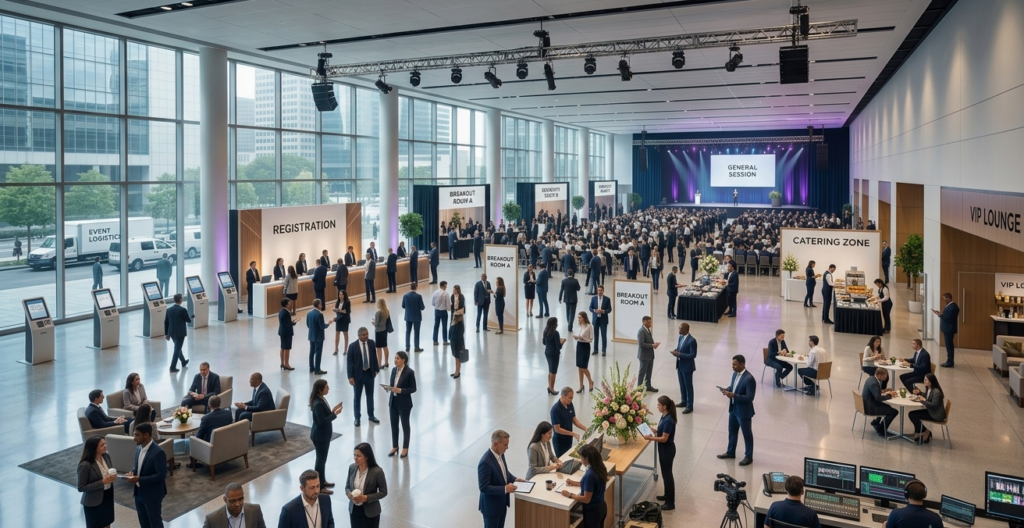
How Professional Event Logistics Ensure Seamless Experiences A successful event may look effortless to guests, but behind every smooth experience is a carefully coordinated logistics plan. From transporting equipment and managing suppliers to coordinating schedules, venue setup, guest movement, and technical requirements, event logistics plays a critical role in bringing an event together. Whether it is a corporate conference, festival, gala dinner, wedding, product launch, or community celebration, even a small logistical issue can affect the overall guest experience. Professional event logistics ensures that every element arrives at the right place, at the right time, and is handled by the right team. At Skylar Events Management and Productions, we understand that seamless events are built through detailed preparation, strong communication, and professional coordination from the early planning stages through event execution. 1. Creating a Detailed Logistics Plan The first step in successful event logistics is creating a detailed plan. This includes identifying everything the event requires, from equipment and décor to entertainment, catering, transportation, staffing, and technical production. A clear logistics plan gives the event team a roadmap and helps ensure that important details are not overlooked. Great events are built on details that guests may never notice—but always experience. For additional planning guidance, see How to Plan an Event in 15 Simple Steps. 2. Coordinating Vendors and Suppliers Most events involve multiple suppliers working at the same time. Caterers, decorators, entertainment providers, audiovisual teams, rental companies, security personnel, and other vendors all have specific schedules and responsibilities. Professional logistics management ensures everyone understands when and where they need to be and what they need to deliver. When every supplier knows their role, the entire event operates more smoothly. 3. Managing Venue Setup and Breakdown Setting up an event requires careful timing. Furniture, staging, lighting, sound equipment, decorations, signage, and other materials need to be delivered, installed, tested, and positioned before guests arrive. The breakdown process is equally important. Equipment and materials must be safely removed without disrupting the venue or creating unnecessary delays. 4. Planning Transportation and Deliveries Large events often involve transporting significant amounts of equipment and materials. Professional logistics teams coordinate delivery schedules, loading areas, access points, transportation requirements, and storage locations. Planning these details in advance helps prevent delivery delays and ensures the event team has everything required for setup. The right equipment is only useful when it arrives where it is needed, exactly when it is needed. 5. Coordinating Event Timelines Timing is one of the most important parts of event logistics. Every stage of the event—from supplier arrival and venue setup to guest registration, performances, presentations, and closing activities—needs to follow a carefully organized schedule. A detailed timeline helps different teams coordinate their responsibilities and reduces unnecessary delays. Skylar Events’ Key Elements of a Well-Organized Public Event also highlights the importance of scheduling, communication, and coordination in delivering successful public events. 6. Preparing for Unexpected Challenges Even the most carefully planned event can face unexpected challenges. Weather changes, supplier delays, technical problems, transportation issues, or last-minute changes can affect event operations. Professional logistics planning includes contingency strategies so the team can respond quickly without disrupting the guest experience. A strong logistics plan doesn’t just prepare for what should happen—it prepares for what might happen. 7. Managing Equipment and Technical Requirements Many events depend on technical equipment such as sound systems, lighting, LED screens, staging, power supplies, and other production equipment. Each item needs to be delivered, installed, tested, and operated correctly. Professional coordination between the logistics and technical teams helps ensure that equipment is ready before the event begins. 8. Supporting Guest Movement and Accessibility Event logistics also affects how guests move through a venue. Registration areas, entrances, exits, seating arrangements, parking, signage, and activity areas should be planned to make movement simple and comfortable. This becomes particularly important for large community events and festivals where thousands of people may attend. Skylar Events specializes in Community Events in Abu Dhabi, where managing multiple moving parts is essential for creating smooth and memorable experiences. 9. Prioritizing Safety and Risk Management Safety should be integrated into every stage of event logistics. Equipment placement, electrical connections, crowd movement, emergency access, loading areas, and venue operations all need to be carefully considered. A professional logistics team works with event planners and suppliers to identify potential risks and establish appropriate procedures. A seamless event is one where guests can focus on enjoying themselves because the safety and logistics are being handled behind the scenes. 10. Communication Between Event Teams Successful logistics depends heavily on communication. Event managers, suppliers, technical crews, venue staff, entertainers, security teams, and other personnel need access to accurate information throughout the planning and execution process. Clear communication helps teams respond quickly when schedules change or unexpected situations occur. 11. Why Professional Event Logistics Matters Managing event logistics can become increasingly complex as an event grows in size and scope. Professional event teams bring together planning, supplier coordination, transportation, venue operations, technical production, safety, and on-site management to ensure everything works together. Skylar Events provides complete Event Services designed to support events from conceptualization through execution. Professional logistics turns countless moving parts into one seamless event experience. 12. The Difference Guests Can Feel Guests may never see delivery schedules, supplier meetings, setup plans, or production checklists. What they experience is an event that feels organized. They arrive without confusion, enjoy a smooth program, experience reliable entertainment and production, and leave with positive memories. That is the real value of professional event logistics. About Skylar Events Management and Productions Skylar Events Management and Productions is a UAE-based event planning and production company specializing in corporate events, festivals, community events, weddings, gala dinners, product launches, brand activations, AV production, event styling, and complete event management solutions. Our experienced team manages the details behind the scenes so clients can focus on their goals while guests enjoy a smooth and memorable experience. From the initial concept and planning stages to supplier coordination, venue setup, production, and event-day execution, Skylar

How Professional Event Logistics Ensure Seamless Experiences Read More »

Choosing the Right Theme for your Event

Choosing the Right Theme for your Event

Choosing the Right Theme for Your Event Choosing the right theme is one of the most important decisions when planning an event. A strong theme gives your event a clear identity, creates the right atmosphere, and helps bring together the venue, décor, entertainment, lighting, and overall guest experience. Whether you are organizing a corporate event, wedding, product launch, gala dinner, festival, or community celebration, the right theme can transform an ordinary venue into an unforgettable experience. A successful event theme should do more than look attractive. It should reflect the purpose of the event, connect with the target audience, and provide a clear creative direction for the entire event. At Skylar Events Management and Productions, we understand that choosing the right theme is the first step toward creating an event that feels cohesive, engaging, and memorable. 1. Start With the Purpose of Your Event Before choosing colors, decorations, or entertainment, think about the main purpose of your event. Is the event designed to celebrate a special occasion, promote a brand, launch a product, bring a community together, or recognize an achievement? Understanding the purpose helps determine what type of theme will be most appropriate. A corporate conference may require a professional and modern concept, while a cultural celebration may benefit from a theme inspired by heritage and tradition. A great event theme should support the purpose of the event, not distract from it. For more guidance on organizing an event from the beginning, explore How to Plan an Event in 15 Simple Steps. 2. Know Your Audience Your guests should always be at the center of your theme selection. Consider their age, interests, expectations, culture, and relationship to the event. A theme that appeals to one audience may not create the same response from another. Understanding your audience allows you to create an environment where guests feel comfortable, engaged, and connected to the event. The best themes are not only visually appealing—they are meaningful to the people experiencing them. 3. Match the Theme With the Venue The venue can strongly influence your event theme. Consider the size, architecture, location, available facilities, existing décor, lighting, and layout before finalizing your concept. A large outdoor venue may be ideal for a festival-inspired theme, while a luxury ballroom may work better with an elegant and sophisticated design. Choosing a theme that complements the venue makes it easier to create a cohesive environment. 4. Choose a Consistent Color Palette Colors help establish the mood and personality of an event. Soft and neutral colors can create an elegant atmosphere, while bold and vibrant colors can make a celebration feel energetic and exciting. For corporate events, brand colors can also be incorporated into the theme to create stronger visual consistency. Your chosen color palette can be used throughout: A consistent color palette helps every element of your event feel like part of one complete experience. 5. Connect the Theme With Event Styling Once the theme has been selected, it should influence the styling of the entire venue. Furniture, floral arrangements, centerpieces, entrance décor, backdrops, stage elements, and decorative installations should all work together. Avoid using too many unrelated design elements. A focused concept usually creates a more polished and professional result. Skylar Events offers Themed Events that can help bring creative event concepts to life through carefully planned event experiences. 6. Think About Entertainment Entertainment should complement the theme rather than feel disconnected from it. For example, a cultural celebration could feature traditional performances, while a corporate event may include live entertainment, interactive activities, or technology-driven presentations. When the entertainment matches the theme, guests experience a stronger sense of connection throughout the event. A memorable theme becomes even more powerful when guests can experience it through entertainment and activities. 7. Use Lighting and Production to Enhance the Theme Lighting can completely change the appearance and atmosphere of a venue. LED screens, stage lighting, spotlights, projections, and decorative lighting can be selected to match the event’s colors and overall concept. Professional production also ensures that presentations, performances, speeches, and entertainment receive the right technical support. This is especially important for large public events where multiple production elements need to work together. Skylar Events’ Event Services include event production and solutions designed to support different types of events. 8. Make the Theme Part of the Guest Experience A theme should not only appear on the stage or decorations. It can be incorporated into: When guests can experience the theme throughout the event, it becomes more memorable. The strongest event themes are experienced, not simply displayed. 9. Consider Your Budget A creative theme does not necessarily require an unlimited budget. The key is deciding which elements will have the greatest visual and experiential impact. Instead of decorating every part of the venue, focus your investment on important areas such as the entrance, stage, main guest areas, photo opportunities, and branded installations. Professional event planners can also help prioritize creative ideas according to the available budget. 10. Make Sure the Theme Is Practical A theme may look impressive on paper but still be difficult to execute. Before finalizing the concept, consider setup time, venue restrictions, supplier availability, technical requirements, safety, transportation, and event schedule. Practical planning ensures the final result matches the original vision without creating unnecessary complications. The best theme is one that looks impressive and can be executed smoothly. 11. Create a Theme That People Remember The ultimate goal of choosing a theme is to create an experience that stays with your guests after the event ends. A strong concept, consistent styling, engaging entertainment, professional production, and thoughtful guest experience can turn an ordinary event into something people want to talk about and remember. For community celebrations, the theme can also help bring people together and create a stronger sense of connection. Skylar Events specializes in Community Events in Abu Dhabi, helping transform community ideas into meaningful experiences. 12. Why Professional Event Planning Matters Choosing a theme is only the beginning. Turning that idea into a successful

Choosing the Right Theme for your Event Read More »

How Creative Event Design Enhances Guest Experience

How Creative Event Design Enhances Guest Experience When guests attend a conference, wedding, or private celebration, they want more than just an itinerary—they want an experience. Long before a guest tastes the food or listens to a keynote speaker, the physical atmosphere speaks to them. Creative event design is the art of combining layout, aesthetics, lighting, and interactive elements to evoke emotion and keep attendees engaged. Here are 10 key ways thoughtful event design elevates the overall guest experience. 1. Engaging the Senses from Arrival Great design engages all five senses from the moment guests step foot into the venue. Combining atmospheric lighting, curated soundscapes, tactile floral displays, and striking visuals creates an immediate sense of immersion. 2. Crafting Intuitive Layouts and Guest Flow A visually stunning venue fails if guests feel cramped or lost. Creative design balances beauty with function by mapping out spacious walkways, logical lounge positioning, and clear seating arrangements that keep foot traffic moving effortlessly. 3. Setting the Mood with Professional Staging and Decor The stage is the focal point of any gathering. Customized stage structures, tailored backdrop paneling, and unique prop installations focus guest attention directly on the action. Utilizing custom carpentry decor production allows organizers to build bespoke 3D staging and entrance designs that leave a powerful first impression. 4. Creating Immersive Lighting Environments Lighting dictates the emotional energy of a room. Warm, soft hues foster intimacy during dinner receptions, while vibrant, moving lights generate energy during product launches or live shows. Integrating expert AV system, sounds, and lights rentals ensures your lighting and acoustics adapt perfectly to every phase of the event. 5. Keeping Setups Fresh with Contemporary Trends Guests appreciate modern, thoughtfully curated spaces rather than outdated, repetitive setups. From minimalist geometric stages to luxurious floral installations, incorporating current event styling trends in Abu Dhabi ensures your venue looks sophisticated, relevant, and captivating. 6. Designing Interactive Social Media Hotspots In today’s connected world, guests love documenting their experiences online. Creative design incorporates dedicated photo walls, custom neon signages, and stylish prop setups that encourage attendees to capture and share moments across social media platforms. 7. Elevating Outdoor and Themed Celebrations Whether designing a rooftop lounge or an poolside party, open-air events require specialized styling that works in harmony with natural surroundings. Applying creative concepts like those in our guide on how to decorate your pool party for a perfect summer vibe demonstrates how thematic design transforms outdoor spaces into memorable retreats. 8. Fostering Connection with Comfortable Lounge Zones Events can be overwhelming without dedicated spaces to unwind. Integrating stylish lounge furniture, ambient lighting, and quiet networking pods allows guests to recharge while building organic connections with fellow attendees. 9. Strengthening Brand Storytelling Through Aesthetic Choices For corporate hosts, event design is storytelling. Every color choice, furniture selection, and digital display reinforces the host’s brand identity without needing a single word, leaving attendees with a clear perception of quality and prestige. 10. Leaving a Lasting Post-Event Impression When an event ends, guests remember how the environment made them feel. Thoughtful, polished event design leaves attendees feeling appreciated, inspired, and excited to return for future gatherings. Visit https://skylarevents.com/ and let Skylar Events Management and Productions transform your venue with professional stage design and lighting solutions.

How Creative Event Design Enhances Guest Experience Read More »

Festival event management in Abu Dhabi during a community festival

The Power of Visual Branding in Event Setup

The Power of Visual Branding in Event Setup When guests walk into a corporate summit, product launch, or grand celebration, their first impression is formed within seconds. Long before a speaker takes the stage or the music starts, your venue tells a visual story. Visual branding in event setup goes far beyond simply placing a logo on a banner. It is about creating an immersive environment that reflects your corporate identity, connects with your audience, and leaves an indelible mark. Here are 10 key ways visual branding transforms your venue and elevates guest experience. 1. Creating a Memorable First Impression The moment attendees arrive at your venue, your branding sets the tone for the entire gathering. Clean alignment, cohesive color schemes, and striking signage instantly convey professionalism and high production standards. 2. Crafting Impactful Statement Entrances Your entrance is the transition point where guests leave the outside world behind. Custom entrance archways, branded step-and-repeat walls, and tailored welcome displays build immediate excitement and establish your brand presence right at the door. 3. Setting the Stage with Custom Production and Carpentry Every element on stage communicates your brand’s personality. Custom staging, 3D backdrops, and bespoke podium designs transform generic event spaces into memorable focal points. Incorporating tailored carpentry decor production ensures your physical stage builds are structurally sound, unique, and fully aligned with your visual identity. 4. Harnessing Dynamic Audio-Visual (AV) & Lighting Visual branding is not static—it moves, illuminates, and adapts throughout the event. Modern LED uplighting, moving head fixtures, and crisp visual screens allow you to project branded color palettes dynamically. Utilizing high-grade AV system, sounds, and lights rentals guarantees that your visual assets look vibrant, professional, and flawlessly integrated. 5. Incorporating Modern Event Styling Trends Keeping your visual setup fresh and modern prevents your brand from feeling outdated. From sleek minimalist stages to organic floral installations, adopting current design concepts creates a sophisticated atmosphere. Exploring modern event styling trends in Abu Dhabi helps you blend creative aesthetics with functional layouts that engage attendees. 6. Designing Shareable “Instagrammable” Moments In today’s digital landscape, your event branding should extend far beyond the venue walls. Custom photo booths, branded photo backdrops, and interactive installations encourage guests to snap photos and share them across social media platforms, organically amplifying your brand reach. 7. Maintaining Visual Consistency Across All Touchpoints Inconsistency distracts from your primary message. Ensuring that your digital screen graphics, printed directional signage, stage decor, and lighting schemes use matching color palettes and typography builds brand trust and recognition. 8. Enhancing Strategic Venue Navigation Visual branding also serves a practical operational purpose. Branded directional pillars, floor graphics, and illuminated banners guide foot traffic smoothly between registration areas, main presentation halls, and dining spaces. 9. Aligning Visual Concepts with Early Preparation Achieving seamless visual branding requires detailed coordination well before event day. Aligning your branding concepts, staging dimensions, and technical requirements early prevents last-minute adjustments. Reviewing key principles of early planning for events in Abu Dhabi ensures suppliers, venue managers, and production crews operate on the same timeline. 10. Building Lasting Professional Credibility A well-executed visual environment leaves a lasting impression on clients, stakeholders, and guests. It demonstrates attention to detail and reflects a brand that values quality, precision, and excellence in execution. Visit https://skylarevents.com/ and let Skylar Events Management and Productions transform your venue with professional stage design and lighting solutions.

The Power of Visual Branding in Event Setup Read More »

How Stage Design and Lightning Elevate Event Experiences

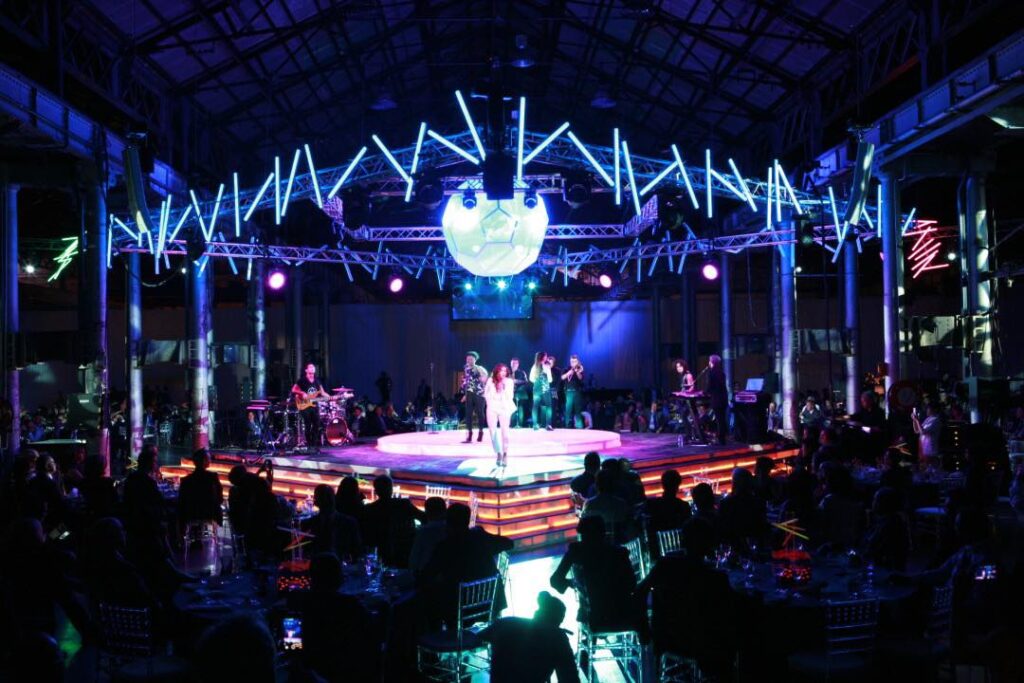
How Stage Design and Lighting Elevate Event Experiences Stage design and lighting are among the most powerful elements of any successful event. While guests may remember the speakers, performances, or celebrations, the visual environment created by the stage and lighting often leaves the strongest lasting impression. Whether it’s a corporate conference, product launch, gala dinner, wedding, concert, or community festival, professional stage design and lighting work together to create an engaging atmosphere that enhances the overall event experience. At Skylar Events Management and Productions, we believe that every event deserves a stage that captures attention and lighting that brings every moment to life. Here are the key ways stage design and lighting elevate event experiences. 1. Creating a Powerful First Impression The stage is often the focal point of an event. A professionally designed stage immediately captures guests’ attention and sets the tone before the program even begins. From elegant backdrops to modern LED displays, every design element contributes to the event’s overall theme. Your stage is the first thing guests notice—it should immediately communicate professionalism and creativity. 2. Enhancing the Event Theme Every successful event has a unique identity. Stage design and lighting should complement the event’s purpose, whether it’s a corporate conference, cultural celebration, product launch, or wedding reception. Coordinated colors, décor, lighting effects, and stage layouts create a cohesive visual experience that reinforces the event’s message. A well-designed stage brings your event theme to life and creates a memorable atmosphere. 3. Directing Audience Attention Professional lighting helps guide guests’ focus throughout the event. Spotlights, stage lighting, and visual effects ensure speakers, performers, and presenters remain the center of attention while minimizing distractions. Proper lighting also improves visibility for both in-person attendees and event photography. Strategic lighting ensures every important moment receives the attention it deserves. 4. Improving Audience Engagement Dynamic lighting effects, LED screens, and creative stage layouts help maintain audience interest throughout the event. Visual changes between presentations, performances, and program segments keep the event exciting and encourage guests to remain engaged. An engaged audience creates a more successful and memorable event. 5. Elevating Photography and Video Production Professional event photography and videography rely heavily on proper lighting. Balanced lighting improves image quality, highlights important moments, and creates visually appealing content for marketing and social media. Well-designed stages also provide beautiful backgrounds for event coverage. Great lighting doesn’t just enhance the event—it creates lasting memories through stunning photos and videos. 6. Supporting Speaker and Performer Confidence A well-designed stage provides presenters and performers with a comfortable and professional environment. Proper lighting improves visibility while allowing speakers to connect more effectively with the audience. This contributes to smoother presentations and stronger audience interaction. When speakers feel confident on stage, the audience enjoys a better experience. 7. Creating Memorable Brand Experiences For corporate events and product launches, stage design becomes an extension of the brand. Custom stage backdrops, LED displays, branded graphics, and lighting colors help reinforce brand identity while creating a polished and professional appearance. A professionally branded stage strengthens your message long after the event ends. 8. Adapting the Atmosphere Throughout the Event Lighting allows organizers to change the mood instantly. Bright lighting may be used during presentations, while softer lighting creates an elegant atmosphere during dinners. Dynamic effects can energize entertainment segments and celebrations. This flexibility helps maintain audience interest throughout the event. Lighting transforms a single venue into multiple unique experiences throughout the day. 9. Ensuring Safe and Efficient Event Operations Professional stage planning is not only about appearance—it also supports safety. Proper stage construction, cable management, lighting placement, and equipment installation reduce operational risks for performers, staff, and guests. Experienced production teams ensure all technical elements meet safety requirements. Beautiful stage designs should always be supported by safe and professional installation. 10. Why Professional Stage Design and Lighting Matter Successful events require more than attractive decorations. Professional event production teams combine creativity, technical expertise, and careful planning to deliver stage designs and lighting systems that enhance every aspect of the guest experience. From concept to execution, professional production ensures every visual element works together seamlessly. Exceptional events are remembered not only for what happens on stage—but for how the stage brings every moment to life. 11. About Skylar Events Management and Productions Skylar Events Management and Productions is a UAE-based event planning and production company specializing in stage design, lighting production, AV solutions, corporate events, product launches, weddings, gala dinners, festivals, community celebrations, brand activations, and complete event management services. Our experienced team creates visually stunning event environments that combine innovative stage design, professional lighting, and flawless execution to deliver unforgettable experiences. Planning your next event? Visit https://skylarevents.com/ and let Skylar Events Management and Productions transform your venue with professional stage design and lighting solutions.

How Stage Design and Lightning Elevate Event Experiences Read More »

Events Styling Trends That Transform Any Venue

Events Styling Trends That Transform Any Venue Event styling is more than just decorating a space—it’s about creating an atmosphere that reflects the purpose of the event and leaves a lasting impression on every guest. Whether it’s a corporate conference, wedding, gala dinner, product launch, or community celebration, thoughtful styling can transform an ordinary venue into an unforgettable experience. As event expectations continue to evolve, modern styling trends combine creativity, functionality, and innovation to create visually stunning environments that engage attendees from the moment they arrive. At Skylar Events Management and Productions, we believe exceptional event styling enhances every celebration while bringing each client’s vision to life. Here are some of the latest event styling trends that can transform any venue. 1. Elegant Minimalist Designs Minimalist styling continues to be one of the most popular event trends. Clean lines, neutral color palettes, sophisticated furniture, and carefully selected decorative elements create a timeless and elegant atmosphere without overwhelming the venue. Sometimes, simplicity creates the most memorable first impression. 2. Statement Entrance Designs The guest experience begins before they enter the event space. Grand entrance arches, floral installations, branded welcome displays, custom lighting, and decorative pathways create excitement while setting the tone for the entire event. A beautifully designed entrance builds anticipation and creates an unforgettable welcome. 3. Creative Lighting Concepts Lighting has the power to completely transform a venue. Warm ambient lighting, dynamic LED effects, uplighting, moving lights, and customized projections can change the mood throughout the event while highlighting key areas such as stages, dining spaces, and photo opportunities. The right lighting doesn’t just illuminate a venue—it creates an experience. 4. Personalized Event Branding Corporate events and product launches increasingly incorporate custom branding throughout the venue. Branded backdrops, digital displays, customized stage designs, signage, and themed décor help reinforce brand identity while creating a cohesive event experience. Consistent branding turns every corner of the venue into a powerful marketing opportunity. 5. Interactive Photo Opportunities Guests enjoy sharing memorable moments on social media. Interactive photo booths, floral walls, LED installations, themed backdrops, and custom photo zones encourage attendees to capture and share their experiences online. Beautiful photo spaces extend your event’s impact far beyond the venue. 6. Sustainable Event Styling Environmentally conscious event design is becoming increasingly important. Many events now incorporate reusable décor, energy-efficient lighting, recyclable materials, and locally sourced decorative elements to reduce environmental impact while maintaining beautiful event aesthetics. Sustainable styling proves that beautiful events can also be environmentally responsible. 7. Floral and Greenery Installations Fresh flowers and natural greenery continue to play a major role in event styling. Large floral arrangements, hanging gardens, greenery walls, and botanical centerpieces bring elegance, texture, and freshness into any event space. Natural elements add warmth, beauty, and sophistication to every celebration. 8. Multi-Purpose Event Spaces Modern events often require venues to serve multiple functions throughout the day. Flexible layouts allow spaces to transition smoothly between ceremonies, presentations, networking sessions, dining, and entertainment without disrupting the guest experience. Smart venue design maximizes both functionality and guest comfort. 9. Immersive Themed Experiences Rather than simply decorating a venue, many events now create fully immersive environments. Coordinated décor, entertainment, lighting, sound, costumes, and interactive experiences work together to transport guests into a carefully designed theme. Immersive event styling transforms guests from spectators into participants. 10. Professional Styling and Event Production Creative styling ideas require careful planning and expert execution. Professional event stylists coordinate décor, furniture, staging, lighting, audiovisual production, and venue setup to ensure every detail aligns with the event’s vision. Working with experienced professionals helps ensure the final result is both visually impressive and operationally seamless. Exceptional styling happens when creativity meets professional execution. 11. About Skylar Events Management and Productions Skylar Events Management and Productions is a UAE-based event planning and production company specializing in event styling, corporate events, weddings, gala dinners, product launches, festivals, community celebrations, brand activations, AV production, décor production, and complete event management solutions. Our experienced team transforms venues into memorable event spaces through creative styling, innovative production, and meticulous attention to detail. Planning your next event? Visit https://skylarevents.com/ and let Skylar Events Management and Productions transform your venue into an unforgettable experience.

Events Styling Trends That Transform Any Venue Read More »

The Role of Event Planning in Cultural and Community Celebrations

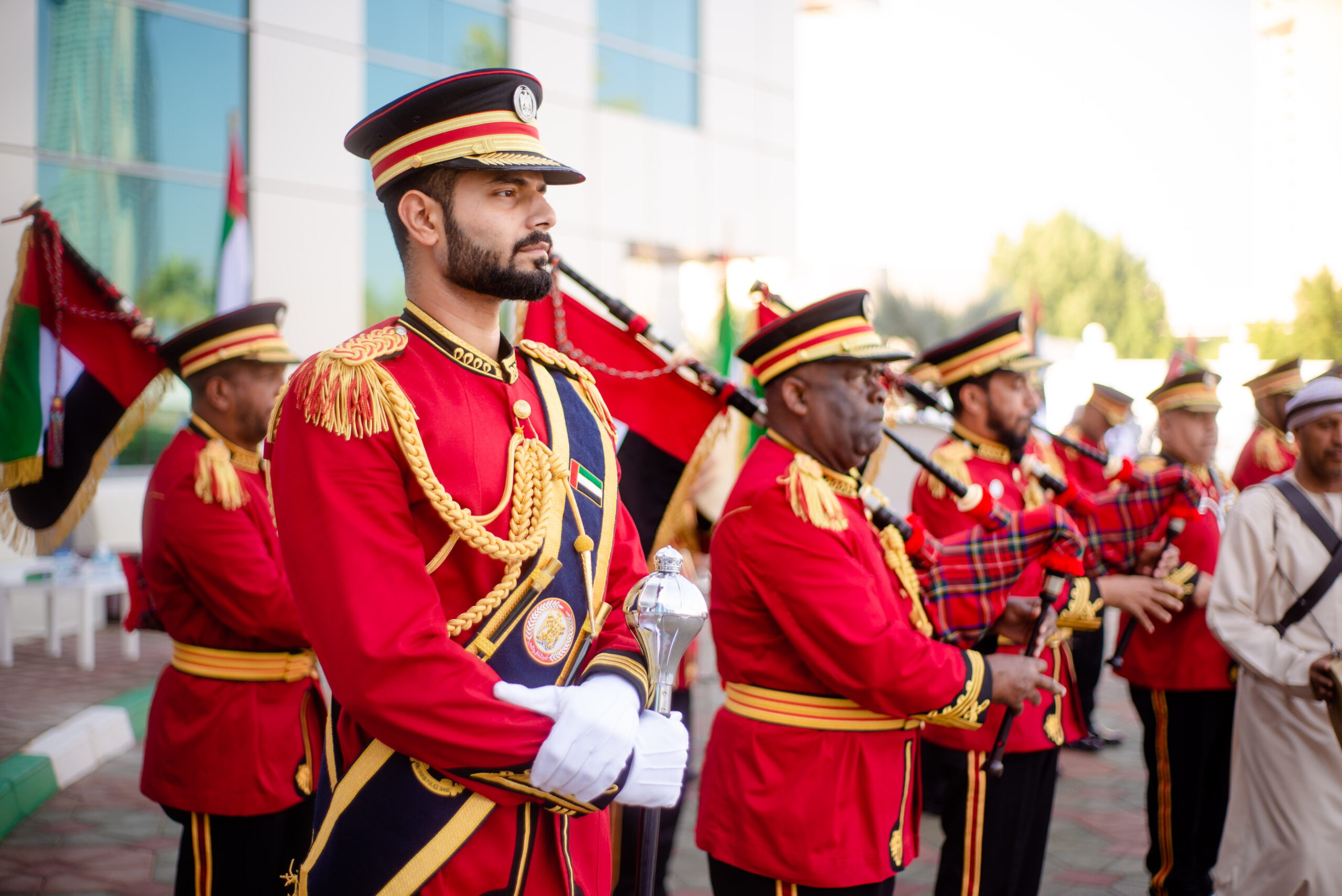
The Role of Event Planning in Cultural and Community Celebrations Cultural and community celebrations are more than just gatherings—they are opportunities to preserve traditions, strengthen relationships, and bring people together through shared experiences. Whether it’s a cultural festival, national celebration, heritage event, charity program, or local community gathering, successful events require thoughtful planning and professional coordination. Behind every memorable celebration is a dedicated event planning team working to ensure every detail is carefully managed. From logistics and entertainment to safety and guest experience, effective event planning transforms ideas into meaningful occasions that leave a lasting impact. At Skylar Events Management and Productions, we believe that well-planned cultural and community celebrations help create stronger communities while delivering memorable experiences for every attendee. 1. Bringing Communities Together One of the primary goals of cultural and community celebrations is to unite people. Professional event planning helps create an environment where families, organizations, businesses, and local communities can gather to celebrate shared traditions and values. Great events don’t just attract people—they bring communities closer together. 2. Preserving Cultural Heritage Cultural events play an important role in preserving traditions, customs, music, art, and local heritage. Careful event planning ensures these cultural elements are presented respectfully while creating engaging experiences for attendees of all ages. Every well-organized cultural celebration helps keep traditions alive for future generations. 3. Creating a Seamless Guest Experience Attendees should be able to enjoy the celebration without worrying about long queues, confusion, or poor organization. Professional event planning focuses on guest registration, venue layout, signage, seating, accessibility, and visitor flow to create a comfortable experience from arrival to departure. A smooth guest experience is often the result of careful planning behind the scenes. 4. Managing Event Logistics Efficiently Every successful celebration depends on effective logistics. This includes coordinating vendors, performers, equipment delivery, permits, transportation, scheduling, and setup activities. Proper planning ensures that every moving part works together efficiently on event day. Successful events are built on detailed planning long before the first guest arrives. 5. Enhancing Entertainment and Engagement Entertainment is often the highlight of cultural and community celebrations. Live performances, cultural dances, musical presentations, workshops, exhibitions, and interactive activities help create memorable experiences for attendees. Professional event planners ensure entertainment programs run according to schedule while keeping audiences engaged throughout the event. Memorable celebrations are created through meaningful experiences, not just great performances. 6. Prioritizing Safety and Crowd Management Public celebrations often attract large numbers of attendees, making safety a top priority. Professional event planning includes crowd management strategies, emergency response procedures, security coordination, medical support, and risk assessments to ensure a safe environment for everyone. A successful celebration is one where every guest feels safe, comfortable, and welcome. 7. Strengthening Community Partnerships Cultural and community events often involve collaboration between local governments, businesses, organizations, schools, sponsors, and volunteers. Effective event planning helps coordinate these partnerships and ensures everyone works toward a common goal. Strong partnerships create stronger community events. 8. Showcasing Local Talent and Businesses Community celebrations provide valuable opportunities to promote local artists, performers, artisans, food vendors, and small businesses. Well-organized events create a platform that supports local economic growth while enriching the visitor experience. Supporting local talent helps create more authentic and meaningful celebrations. 9. Building Lasting Memories The success of a cultural or community celebration is measured not only by attendance but also by the memories it creates. Thoughtful event planning ensures every aspect—from decorations and performances to guest services and event flow—contributes to an enjoyable and unforgettable experience. The most successful celebrations are remembered long after the event ends. 10. Why Professional Event Planning Matters Planning cultural and community celebrations involves balancing creativity with organization. Professional event planners oversee every detail, helping organizers manage timelines, budgets, logistics, technical production, and event execution while reducing stress and ensuring everything runs smoothly. Professional event planning transforms meaningful ideas into successful community celebrations. 11. About Skylar Events Management and Productions Skylar Events Management and Productions is a UAE-based event planning and production company specializing in cultural celebrations, community events, festivals, corporate events, brand activations, product launches, weddings, AV production, decor production, and complete event management solutions. Our experienced team delivers professionally planned events that celebrate culture, strengthen communities, and create unforgettable experiences through creative planning and flawless execution. Planning a cultural or community celebration? Visit https://skylarevents.com/ and let Skylar Events Management and Productions help bring your event vision to life.

The Role of Event Planning in Cultural and Community Celebrations Read More »

Concert Event

How To Manage Large-Scale Events Safety and Successful

When you transition from hosting a local gathering to managing a large-scale event—whether it is a 1,000-person corporate summit or a major outdoor festival—the complexity doesn’t just increase; it multiplies. At Skylar Events, we believe that unforgettable attendee experiences are built on a invisible foundation of meticulous planning and robust risk management. When your logistics are seamless, your guests feel safe, comfortable, and completely immersed in the moment. Here is our step-by-step blueprint for balancing flawless execution with absolute safety. 1. Map Out a Comprehensive Crowd Management Plan When handling large crowds, bottlenecks are your biggest enemy. You need to understand exactly how people will flow through your venue from the moment they arrive to the moment they leave. 2. Treat Safety as a Core Feature, Not an Afterthought A successful event is a safe event. Security should never feel like a last-minute addition; it needs to be integrated into your layout from day one. 3. Leverage Technology to Keep Things Moving Trying to run a massive event using manual systems is a recipe for long lines and frustrated guests. Modern event tech can significantly reduce friction. 4. Prioritize Vendor and Staff Onboarding Your event is only as good as the team executing it. When you are managing dozens of external vendors and hundreds of temporary staff members, alignment is everything. The Ultimate Event Safety Checklist Category Action Item Status Logistics Verify venue capacity limits against final registration numbers ☐ Medical Establish a dedicated, clearly marked first aid tent with trained personnel ☐ Communication Assign specific radio channels for logistics, security, and medical teams ☐ Weather Draft a clear contingency plan for severe weather (if outdoors) ☐ Exits Ensure all emergency exit paths are completely unobstructed ☐ Bringing It All Together Managing a large-scale event is a massive puzzle, but you don’t have to piece it together alone. By focusing on smart crowd flow, strict safety protocols, and clear communication, you ensure your event makes a lasting impact for all the right reasons. Need help planning your next benchmark event? Get in touch with our production team at Skylar Events to find out how we can handle the logistics while you focus on the big picture.

How To Manage Large-Scale Events Safety and Successful Read More »

Key Elements of a Well-Organized Public Event

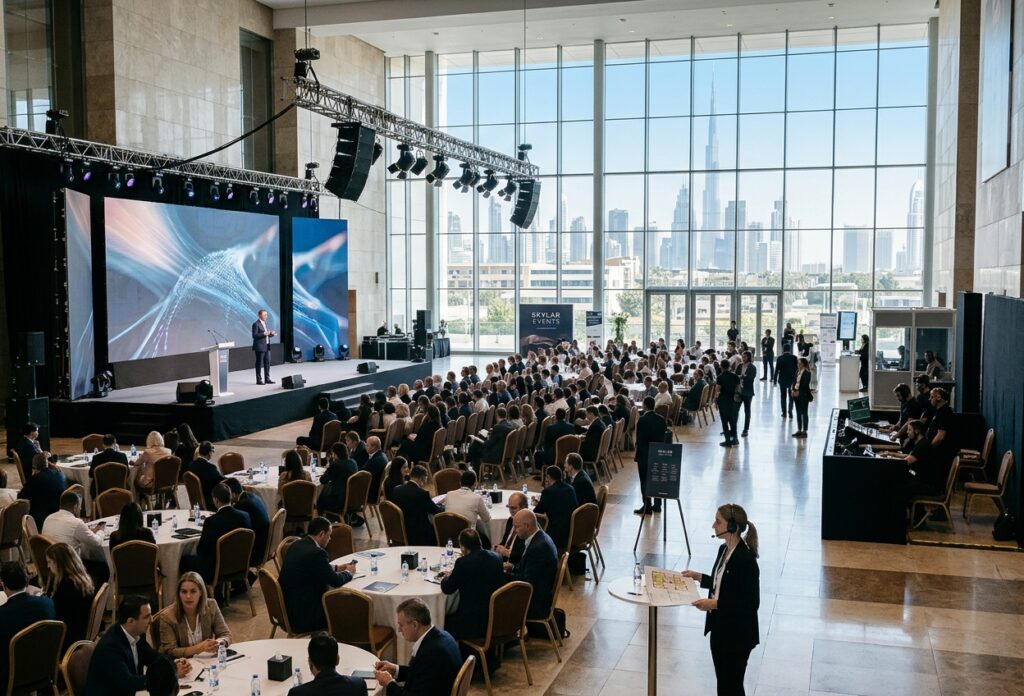
Public events bring communities, businesses, organizations, and audiences together to create meaningful experiences. Whether it is a cultural festival, community gathering, corporate public event, product showcase, or entertainment program, a successful public event requires detailed planning, professional coordination, and flawless execution. Behind every memorable event is a strong foundation of strategy, creativity, logistics, and teamwork. Every element—from venue selection to crowd management—plays an important role in delivering a smooth and enjoyable experience for attendees. At Skylar Events Management and Productions, we understand that organizing a successful public event requires careful attention to every detail. Here are the key elements that contribute to a well-organized public event. 1. Clear Event Objectives and Planning Every successful public event starts with a clear purpose. Organizers must identify the event goals, target audience, theme, and expected outcomes before the planning process begins. A detailed event plan provides direction for budgeting, scheduling, marketing, logistics, and overall event execution. A clear vision is the foundation of every successful public event. 2. Choosing the Right Venue The venue has a significant impact on the success of a public event. Factors such as location, accessibility, capacity, parking, facilities, and audience comfort must be carefully considered. The right venue ensures guests can enjoy the event safely and comfortably while supporting smooth operations behind the scenes. The best event experiences begin with a venue designed to support both guests and operations. 3. Effective Crowd Management and Safety Measures Public events often involve large numbers of attendees, making crowd control and safety planning essential. Professional event teams create strategies for entry and exit points, security personnel, emergency procedures, medical support, and crowd movement to maintain a safe environment. Safety is not just a requirement—it is a key part of a successful event experience. 4. Professional Stage, Audio, and Visual Production Technical production plays a major role in creating an engaging public event. High-quality sound systems, lighting, LED screens, stage design, and visual effects help improve audience engagement and ensure performances, speeches, and presentations are delivered effectively. Professional production transforms an ordinary gathering into a memorable experience. 5. Well-Coordinated Vendors and Suppliers A public event depends on many service providers, including catering companies, decorators, technical teams, equipment suppliers, entertainers, and security staff. Proper communication and coordination ensure every supplier understands their responsibilities and delivers services on time. Behind every smooth event is a team working together with one shared goal. 6. Engaging Entertainment and Activities Entertainment keeps audiences interested and creates lasting memories. Live performances, cultural shows, interactive activities, games, exhibitions, and audience participation opportunities make public events more exciting and enjoyable. Great events do not simply attract people—they create experiences that people remember. 7. Proper Event Timeline and Scheduling Timing is one of the most important factors in event management. A well-planned schedule ensures that setup, rehearsals, guest arrivals, performances, presentations, and closing activities happen smoothly without unnecessary delays. Every successful event follows a carefully planned timeline behind the scenes. 8. Strong Communication and Event Team Coordination Event managers, technical crews, suppliers, performers, and support staff must work together throughout the event. Clear communication before and during the event helps solve challenges quickly and ensures every part of the event operates according to plan. Teamwork and communication are what turn planning into successful execution. 9. Post-Event Evaluation and Improvement The work does not end when the event finishes. Reviewing attendee feedback, team performance, and operational results helps identify opportunities for improvement. Post-event evaluation allows organizers to create even better experiences for future events. The best event professionals always learn from every event they deliver. 10. Why Professional Public Event Management Matters Public events involve multiple moving parts that require experience, organization, and attention to detail. Professional event management ensures that planning, production, logistics, safety, and audience experiences are handled efficiently from start to finish. A successful public event is not created by chance—it is the result of expert planning and professional execution. 11. About Skylar Events Management and Productions Skylar Events Management and Productions is a UAE-based event planning and production company specializing in public events, festivals, corporate events, product launches, brand activations, weddings, AV production, decor production, and complete event management solutions. Our experienced team delivers creative, well-organized, and memorable events through professional planning, technical expertise, and seamless coordination. Planning your next public event? Visit https://skylarevents.com/ and let Skylar Events Management and Productions bring your event vision to life.

Key Elements of a Well-Organized Public Event Read More »

Scroll to Top