

How Professional Event Planning Reduces Stress for Businesses
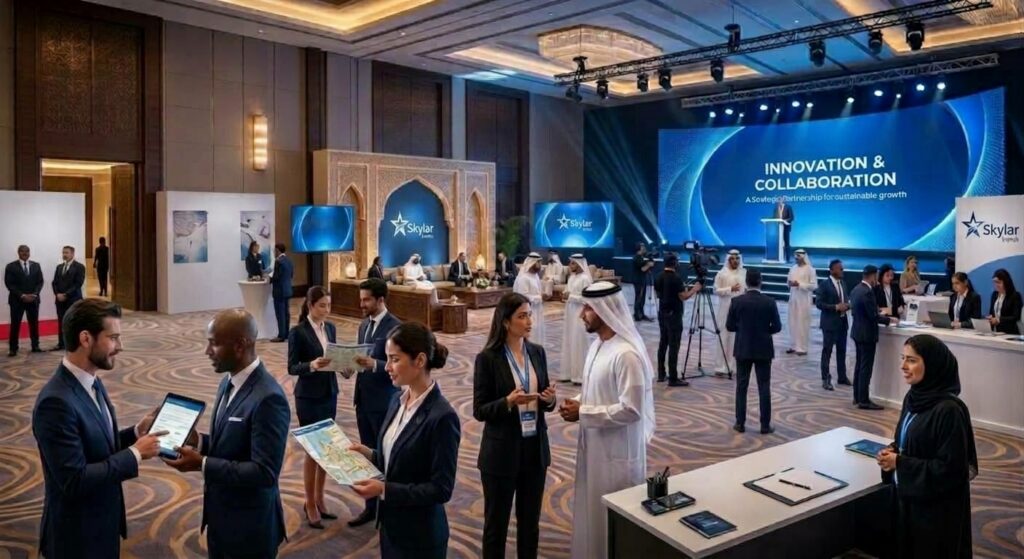
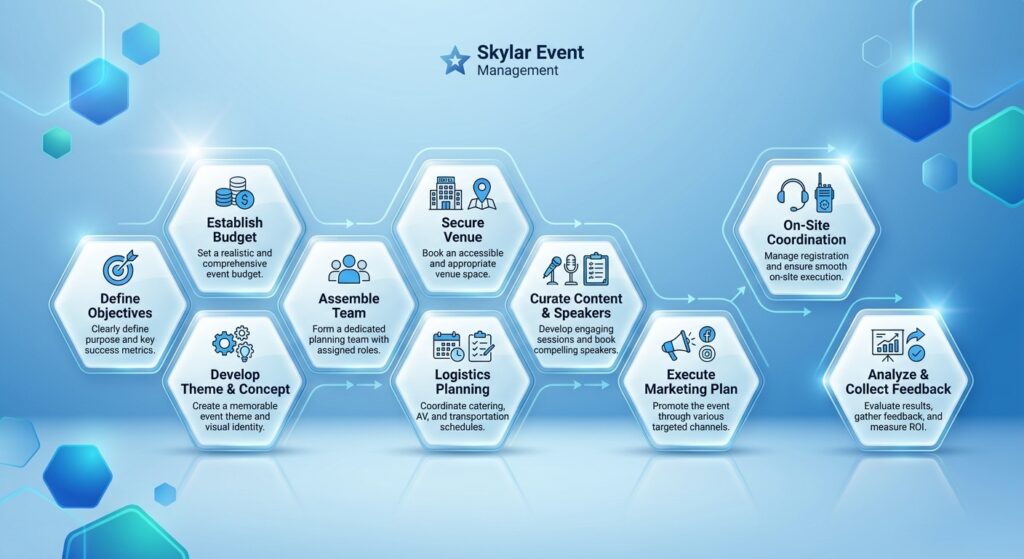
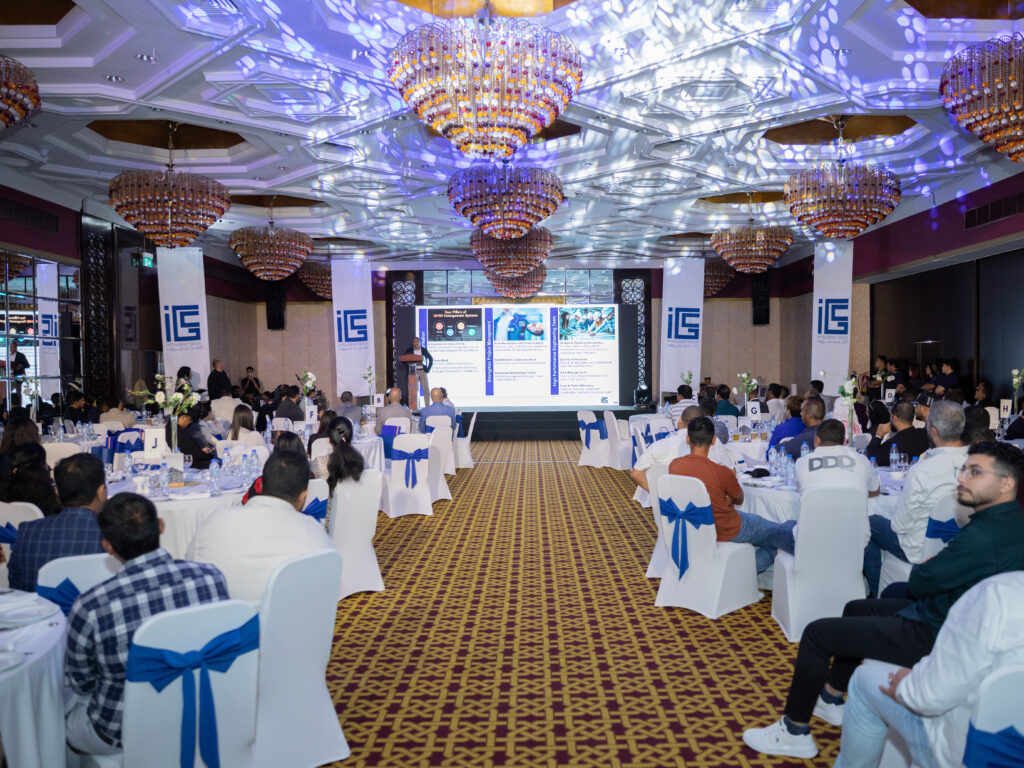
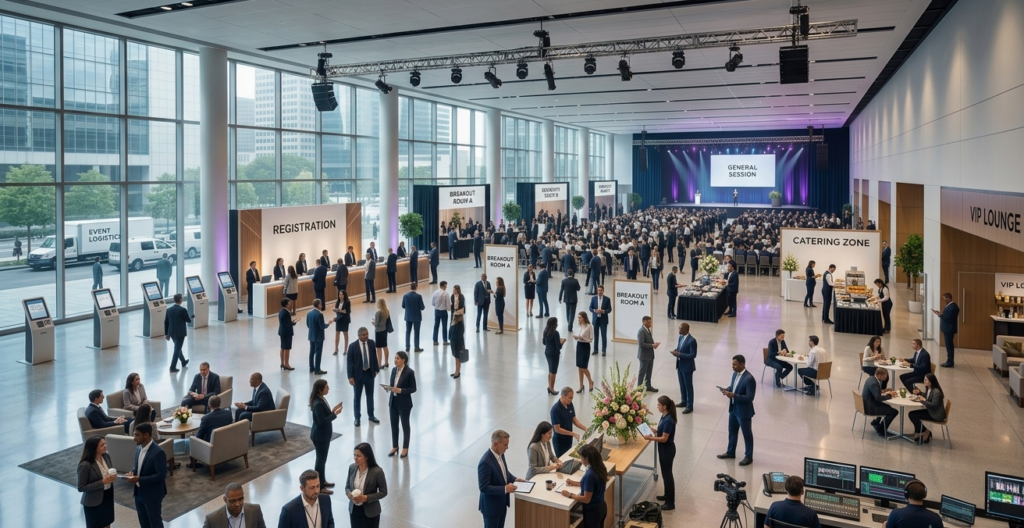
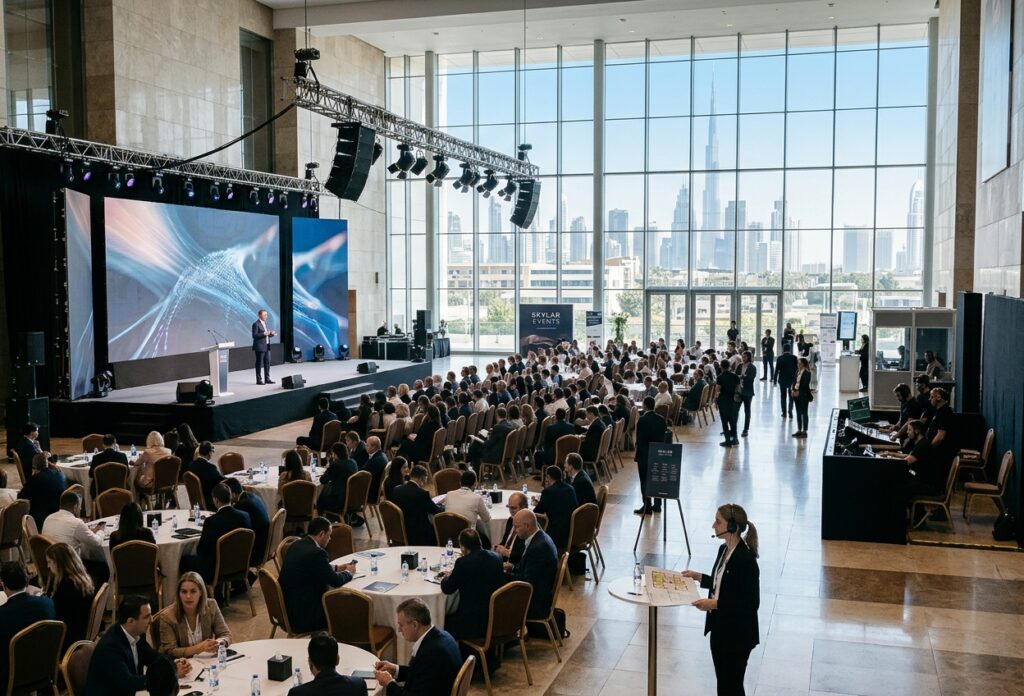
How Professional Event Planning Reduces Stress for Businesses Organizing a corporate event can be exciting, but it also comes with many responsibilities. From choosing a venue and coordinating suppliers to managing schedules, technical production, and guest expectations, even a relatively small event can require significant time and effort. For businesses in Abu Dhabi and across the UAE, these responsibilities can become challenging when event planning is added to employees’ existing workloads. Without proper coordination, last-minute changes, scheduling conflicts, and unexpected problems can create unnecessary stress. Professional event planning helps businesses manage these responsibilities through organized preparation, effective communication, and coordinated execution. Here are 10 ways professional event planning can reduce stress and help businesses deliver successful events. 1. Provides a Clear Event Plan From the Beginning One of the biggest sources of event-related stress is uncertainty. When responsibilities, deadlines, and requirements are unclear, businesses may struggle to keep everything organized. Professional event planners develop a structured plan that outlines the event objectives, budget, schedule, venue requirements, suppliers, and production needs. Having a clear plan gives everyone a better understanding of what needs to happen and when. It also helps identify potential challenges early, allowing the team to address them before they become urgent problems. A clear event plan replaces last-minute guesswork with organized preparation and defined responsibilities. For customized corporate gatherings and special occasions, explore Skylar Events’ Special Projects services. 2. Saves Valuable Time for Business Teams Planning an event involves numerous tasks, including contacting suppliers, comparing quotations, organizing schedules, coordinating deliveries, and confirming venue arrangements. When employees manage all these responsibilities alongside their regular duties, their workload can quickly become overwhelming. Professional event planners help coordinate these tasks, allowing business owners and employees to focus on their primary responsibilities. This approach can also reduce the time spent communicating with multiple suppliers and following up on individual arrangements. 3. Helps Businesses Manage Their Event Budget Unexpected expenses are another common source of stress during event planning. A professional planning process begins with a realistic budget that accounts for venue rental, catering, entertainment, decorations, technical production, staffing, and other requirements. Event planners can help businesses prioritize spending according to their objectives and compare supplier proposals before making commitments. A contingency allowance can also help prepare for unexpected costs. Although professional planning has its own cost, a well-managed budget can help businesses make informed decisions and reduce avoidable expenses. 4. Simplifies Venue Selection and Setup Choosing a venue involves more than finding an attractive location. Businesses must consider guest capacity, accessibility, facilities, seating arrangements, technical requirements, and the overall suitability of the space. Professional planners help assess these needs before finalizing the venue and organizing the layout. They can also coordinate setup requirements, including registration areas, seating, stage placement, decorations, and guest movement. For company events that require a coordinated setup and customized production, Skylar Events’ Special Projects services can help bring the event concept together. 5. Coordinates Suppliers More Efficiently Corporate events often involve several suppliers, such as caterers, decorators, entertainers, audiovisual technicians, photographers, and venue representatives. If each supplier works without a shared schedule, delays and misunderstandings can affect the entire event. Professional event planning establishes clear timelines, responsibilities, delivery arrangements, and communication channels. This coordination helps ensure that suppliers understand their requirements and that important tasks are completed in the correct order. 6. Reduces Technical Problems During the Event Sound systems, microphones, LED screens, lighting, and presentation equipment are essential components of many corporate events. Technical problems can interrupt presentations, delay program segments, and create unnecessary pressure for organizers. Professional production planning includes assessing technical requirements, arranging suitable equipment, and scheduling equipment tests before the event begins. Skylar Events offers AV Production Services to support event requirements involving sound systems, LED screens, and lighting. Testing equipment and coordinating technical cues in advance helps the production team identify potential problems before guests arrive. 7. Creates a More Organized Guest Experience Guests may not see all the planning behind an event, but they notice when the experience feels disorganized. Long registration queues, unclear directions, uncomfortable seating, delayed presentations, and poorly coordinated transitions can affect how attendees perceive the occasion. Professional event planners consider the guest journey from arrival to departure. They coordinate registration, signage, seating, schedules, refreshments, and other details to help the event run smoothly. When guests know where to go and what to expect, the event becomes more comfortable and enjoyable for everyone. 8. Prepares Businesses for Unexpected Challenges Even well-organized events can encounter unexpected situations, including supplier delays, technical faults, schedule changes, or last-minute guest requirements. Professional planners help businesses prepare for these possibilities by identifying potential risks and developing backup arrangements. This may include alternative equipment, additional setup time, backup contacts, and clear procedures for handling changes. Preparation cannot eliminate every unexpected problem, but it can help the team respond faster and with greater confidence. Having an organized response plan allows business representatives to focus on their guests and objectives rather than trying to solve every problem themselves. 9. Helps Deliver a Consistent Brand Experience Corporate events are opportunities for businesses to communicate their identity, values, and professionalism. However, inconsistent branding, mismatched decorations, poor lighting, and disconnected event elements can make the experience feel less polished. Professional planners help align the event theme, stage design, signage, presentations, lighting, and other visual elements with the company’s brand. This is especially important for product launches, company anniversaries, award ceremonies, and events attended by clients or business partners. For product introductions and promotional occasions, explore Skylar Events’ Grand Opening, Product Launch and Promotional services. 10. Allows Businesses to Focus on What Matters Most When the details are managed effectively, business owners and employees can spend less time worrying about logistics and more time engaging with guests, networking with partners, presenting ideas, and celebrating achievements. For employee gatherings, professional coordination can also help create opportunities for staff to connect outside their usual work environment. Skylar Events provides Team Building and Staff Annual Party services for businesses looking to organize employee-focused
How Professional Event Planning Reduces Stress for Businesses Read More »